
Dogs Who Wait Series — v3 of 4
Shy and fearful dogs, the fear of doing it wrong, and what progress actually looks like
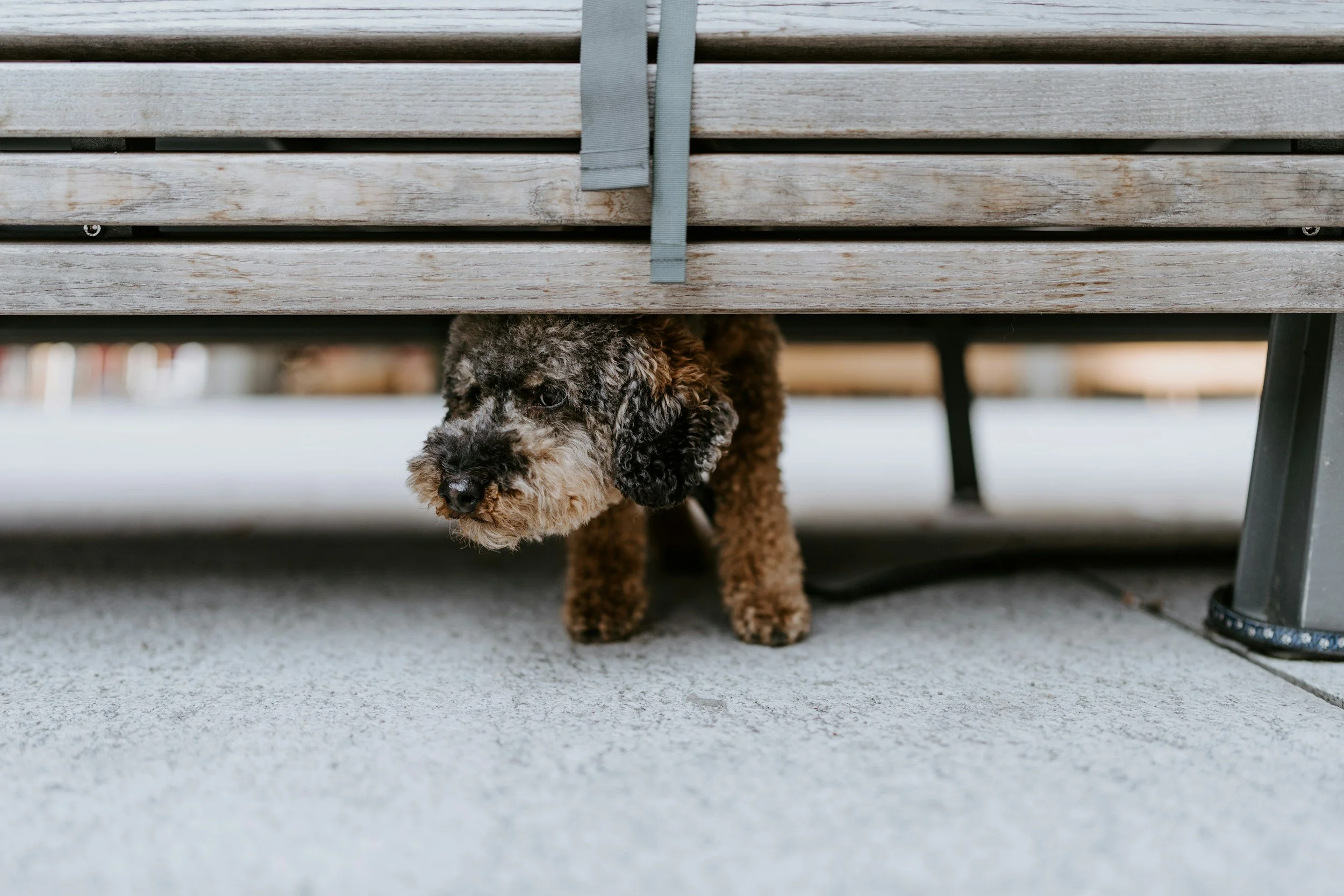
Every rescue has them. The dog who presses into the back of the kennel when you approach. The one who won't make eye contact. The one the staff warns you about — not because she's dangerous, but because she's scared and you'll need to be patient.
Most people move on. They worry they don't have the right experience. They don't want to make things worse. They choose the dog who wags at them through the door.
That instinct makes sense. It's also the reason shy and fearful dogs wait so much longer than everyone else.
What "Shy or Fearful" Actually Means
Fearful dogs aren't broken. They're dogs who didn't get the early socialization they needed, or who had experiences that taught them people and places aren't safe. That's a history problem, not a personality flaw.
What fearful dogs need most isn't training or intervention. It's time. A quiet home, a consistent routine, and a person who doesn't push. Many fearful dogs begin to relax within days of leaving a shelter environment. The absence of noise, unpredictability, and strangers alone makes a measurable difference.
Progress looks different than people expect. It's not a dramatic turnaround. It's the dog choosing to sleep in the same room as you. Then closer. Then eventually with her chin on your knee.
The "I'll Do It Wrong" Fear
This is the biggest thing holding people back from fostering fearful dogs, and it's worth addressing directly.
You're not going to traumatize a fearful dog by existing in your home. The bar isn't perfection. It's safety and consistency. Feed them at the same time. Give them a space that's theirs. Don't force interaction. Let them come to you.
That's most of it.
The rescue group you're working with will give you guidance specific to the dog. FFF's partner rescues are there to support you — fostering isn't something you do alone. And the more comfortable you get, the more you'll learn to read the dog's signals and respond to them. It's a skill, and it builds over time.
How Enrichment Fits In
One of the most effective tools for building confidence in fearful dogs is enrichment. Mental stimulation — scent work, puzzle feeders, low-pressure exploration — gives a fearful dog something to engage with on their own terms. It builds positive associations without requiring them to interact with a person directly.
This is where Dirty Dog's enrichment-focused approach matters. Daycare isn't right for every fearful dog — a busy, loud environment can be overwhelming — but structured enrichment activities and a calm, experienced environment can be genuinely helpful for dogs who are ready for it. Your rescue group can help you figure out what's appropriate for the dog in your care.
What FFF Covers
Foster families whose rescue group has partnered with FFF get free self-serve dog baths at Dirty Dog, along with discounts on grooming, daycare, and boarding. For shy dogs, the self-serve bath is worth mentioning specifically — it's a quieter, lower-pressure experience than a professional grooming appointment, and you're there the whole time. That consistency matters for a dog who's still learning to trust.
As FFF grows its fundraising, the goal is to expand these benefits — more covered services, more support for the fosters who take on dogs with the longest odds.
What You Get Out of It
Fostering any dog is rewarding. Fostering a fearful dog is something else.
Watching a dog who wouldn't leave the corner start choosing to be near you — that's not a small thing. You're not just providing a temporary home. You're the first person who showed that dog that people are safe. That changes how they move through the rest of their life.
It takes longer. It asks more of your patience. It gives back more too.
Ready to Foster a Shy Dog?
If you think you might be the right person for a fearful dog, the first step is connecting with one of our partner rescue groups. They'll help match you with a dog whose needs fit your home and experience level. Find the full list at furryfosterfoundation.org/currentpartners.
The dog in the corner is still there. She's just waiting for the right person to not walk past.